
Your First‑Time Guide to Anti‑Aging Supplements: How to Spot Real Science vs. Hype (2024 Edition)
— 7 min read
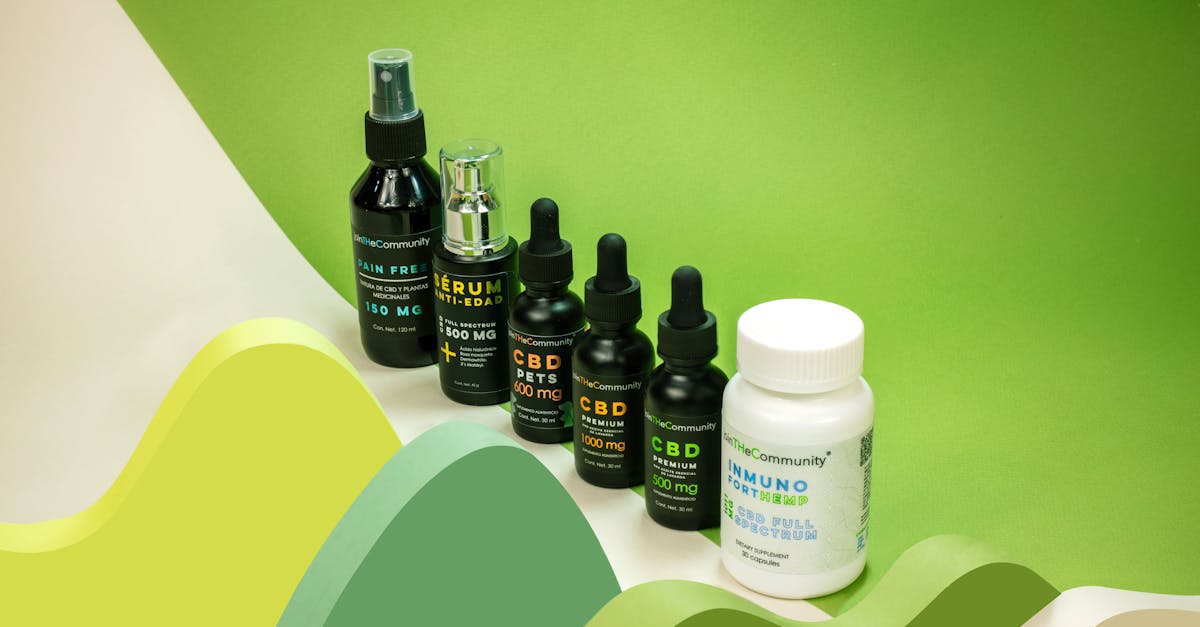
Imagine walking into a bustling farmer’s market where every stall claims to have the secret to staying young forever. The aromas are enticing, the promises sparkle, and the price tags are tempting. Yet, without a clear map, it’s easy to leave with a bag of mystery herbs that do nothing but drain your wallet. If you’re new to anti-aging supplements, this guide is your friendly compass - packed with real-world analogies, science-backed checkpoints, and a dash of Emma-style optimism to help you separate fact from fiction.
Medical Disclaimer: This article is for informational purposes only and does not constitute medical advice. Always consult a qualified healthcare professional before making health decisions.
What the FDA Actually Says About Supplements
The FDA classifies dietary supplements as foods, not drugs, which means manufacturers can sell them without proving safety or effectiveness before they hit the shelf. Think of the FDA as a traffic cop who only steps in after a car crash has happened, not before the driver puts the car in gear.
Under the Dietary Supplement Health and Education Act of 1994 (DSHEA), the agency only steps in after a product reaches the market and a problem is reported. In practice, the FDA monitors adverse event reports, inspects manufacturing facilities, and can issue warning letters when a label makes unapproved health claims.
- Supplements do not require pre-market approval.
- Manufacturers must ensure safety but cannot claim they treat or prevent disease.
- Labels must include a disclaimer: “This statement has not been evaluated by the FDA.”
- The FDA can seize products that are adulterated or misbranded.
For anti-aging products, the rule is the same: unless a claim is backed by FDA-approved drug status, it must be framed as supporting “structure or function” (e.g., “helps maintain youthful skin”).
"In 2022, the FDA received over 2,200 reports of adverse events linked to dietary supplements."
Understanding this baseline helps consumers separate what the law permits from what marketers promise. Why does this matter in 2024? Because the supplement market has exploded to over $50 billion in the U.S., and the FDA’s post-market surveillance is the only safety net we have.
Reading the Label Like a Scientist
Think of a supplement label as a recipe card. The ingredient list tells you what’s in the mix, the dosage tells you how much to use, and the claims are the promised flavor.
First, scan the Ingredient List. Ingredients are listed in order of weight, so the first three items dominate the formula. If you see “proprietary blend” without amounts, treat it like a mystery sauce - you don’t know how much of each component you’re getting.
Second, verify the Dosage. A common mistake is assuming “one capsule per day” is the optimal amount. Look up the clinically studied dose for each active ingredient. For example, clinical trials of nicotinamide riboside (a popular anti-aging compound) used 250-500 mg per day; a product that offers 30 mg is unlikely to match those results.
Tip: Compare the label’s dosage with the amounts reported in peer-reviewed studies. If the numbers differ by more than 50 %, the claim may be overstated.
Third, evaluate the Benefit Claims. Legal language includes phrases like “supports” or “promotes,” while illegal disease-treatment language includes words such as “cures,” “prevents,” or “treats.” A claim that reads “reduces visible signs of aging” is a structure-function claim and is permissible; “reverses cellular aging” would cross the line.
Finally, look for third-party testing symbols such as NSF International, USP, or ConsumerLab. These marks indicate the product has been independently analyzed for purity and potency. In 2024, many reputable brands also display a QR code that links directly to a certificate of analysis - think of it as a digital passport for your supplement.
Now that you’ve decoded the label, let’s see how the scientific community judges the evidence behind those promises.
Peer-Reviewed Proof vs. Marketing Buzz
Peer-reviewed research is the scientific gold standard, like a referee ensuring a game is played fairly. A study published in a reputable journal undergoes scrutiny by independent experts before it appears.
When evaluating anti-aging supplements, focus on three key study features:
- Sample Size: Larger groups (e.g., 100+ participants) provide more reliable results than tiny pilot studies of 10-15 people.
- Duration: Anti-aging effects often require weeks or months to manifest. A study lasting 12 weeks is more informative than a 3-day trial.
- Relevance: The study should test the exact product formulation and dosage you plan to use. Results from a mouse model or a different brand’s blend do not directly apply.
Example: A 2021 randomized controlled trial published in *The Journals of Gerontology* examined 200 adults taking 300 mg of nicotinamide riboside daily for 24 weeks. The study reported a modest increase in NAD+ levels and improved sleep quality. If a supplement advertises “clinically proven to boost NAD+” but only contains 30 mg, the claim is not supported by that trial.
Beware of “review articles” that summarize many studies but do not present new data. They can be useful for context but cannot replace direct evidence for a specific product.
Armed with these criteria, you’ll be better equipped to separate genuine breakthroughs from clever copywriting.
Red Flags in Advertised Claims
Marketing language often sounds like a fireworks display - bright, loud, and hard to verify. Spotting red flags helps you avoid products that rely on hype rather than science.
Common red flags include:
- Vague language: Phrases like “miracle formula” or “unlock the secret to eternal youth” lack measurable outcomes.
- Celebrity endorsements: A famous actor may love a product, but that does not replace clinical evidence.
- “All-natural” or “synthetic-free” claims: Natural does not automatically mean safe; some natural compounds (e.g., kava) can cause liver damage.
- “100 % satisfaction guarantee” paired with “no refunds after 30 days”: Contradictory promises often indicate a sales-first approach.
Red Flag Checklist: If a claim mentions “clinically proven” but provides no study link, pause and research the reference yourself.
Another warning sign is the use of scientific jargon without explanation - terms like “telomere elongation” or “senescent cell clearance” that sound impressive but are not tied to dosage or trial data.
Finally, be skeptical of “limited-time offers” that pressure you to buy quickly. Legitimate scientific products rarely rely on urgency tactics. Instead, they let you compare data, read reviews, and make a calm, informed decision.
Having identified the red flags, let’s move on to building trust in the companies behind the bottles.
How to Verify a Brand’s Credibility
Think of a brand’s reputation as a neighborhood’s safety rating. You would check crime stats, community reviews, and local council reports before moving in. The same applies to supplement companies.
Start with the company’s website. Look for a transparent “Science” or “Research” page that links to full study PDFs, not just headlines. Independent certifications - NSF, USP, or Informed-Sport - serve as third-party “building inspectors.”
Next, search the FDA’s Supplement Enforcement Reports. If a brand appears in recent warning letters, that’s a red flag.
Pro tip: Check the Better Business Bureau and consumer forums for recurring complaints about mislabeling or adverse reactions.
Published trial data should include author names, journal titles, and DOI numbers. A quick Google Scholar search can confirm whether the study exists and whether it is peer reviewed.
Transparent customer feedback also matters. Brands that host verified purchase reviews on platforms like Amazon, along with a clear return policy, show confidence in their product’s safety.
Finally, consider the company’s longevity. Brands that have been in the market for 10+ years are more likely to have refined their formulations based on real-world experience. In 2024, many of the longest-standing companies are also the ones that have voluntarily adopted GMP (Good Manufacturing Practice) certifications, which act like a quality-control seal of approval.
With a credible brand in hand, you can move confidently to the final step: making your personal purchase decision.
Your Personal Check-list: Decision-Making for First-Time Buyers
Buying an anti-aging supplement is like planning a road trip - you need a map, a reliable car, and a clear destination. Use this checklist to keep your journey on track.
- Define your goal: Are you looking to improve skin elasticity, boost energy, or support cellular health? Specific goals narrow your ingredient search.
- Set a budget: Quality supplements typically range from $30-$80 per month. Extremely low prices may indicate sub-therapeutic doses.
- Consult a professional: A registered dietitian or physician can flag interactions with medications (e.g., blood thinners and high-dose vitamin K).
- Match dosage to research: Compare the label’s amount with the dosage used in peer-reviewed studies.
- Check certifications: Look for NSF, USP, or ConsumerLab seals.
- Read the fine print: Verify the disclaimer and any “not evaluated by the FDA” statements.
- Track your response: Keep a simple journal noting dosage, any side effects, and perceived benefits for at least 8 weeks.
Remember: No supplement can replace a balanced diet, regular exercise, and adequate sleep. Use them as a complement, not a cure.
By following these steps, you turn a confusing marketplace into a manageable set of choices backed by science.
Common Mistakes to Avoid
Even seasoned shoppers can stumble into pitfalls when enthusiasm meets the sea of supplement options. Here are the most frequent missteps and how to sidestep them:
- Assuming “more” is better: Doubling the dose because the label says “take 2 capsules” without checking the studied amount can lead to wasted money or unwanted side effects.
- Ignoring the “proprietary blend” trap: Without disclosed amounts, you can’t tell if the blend contains enough of the active ingredients to be effective.
- Relying solely on testimonials: Personal stories are powerful, but they’re anecdotal. They don’t replace controlled trial data.
- Skipping the expiration date: Potency can decline over time, especially for heat-sensitive compounds like CoQ10.
- Mixing supplements without professional guidance: Some combos (e.g., high-dose vitamin K with anticoagulants) can be dangerous.
By keeping these cautionary notes top of mind, you’ll protect both your wallet and your well-being.
Glossary of Key Terms
New to the world of anti-aging supplements? Below are quick definitions for the jargon you’ll encounter:
DSHEA (Dietary Supplement Health and Education Act)A 1994 law that defines how the FDA regulates dietary supplements, emphasizing post-market oversight rather than pre-approval.Structure-function claimA statement that a product supports a normal bodily function (e.g., “helps maintain youthful skin”) without implying it treats disease.Proprietary blendA mixed ingredient list where the manufacturer discloses the total weight but not the individual amounts of each component.Third-party testingIndependent lab analysis (e.g., NSF, USP) that verifies label accuracy and checks for contaminants.Peer-reviewed studyResearch evaluated by independent experts before publication, ensuring methodology and conclusions meet scientific standards.Adverse eventAny unwanted medical occurrence that happens after taking a supplement, ranging from mild stomach upset to serious reactions.
Having these definitions at your fingertips makes it easier to decode product labels and marketing copy.
FAQ
Q: Does the FDA approve anti-aging supplements before they are sold?
A: No. Under DSHEA, the FDA does not require pre-market approval for dietary supplements. The agency can act only after a product is on the market and a safety or labeling issue is reported.
Q: What does the “NSF Certified for Sport” logo mean?
A: It indicates the product has been tested for banned substances and for label accuracy by an independent third party, making it a safer choice for athletes.


